
01
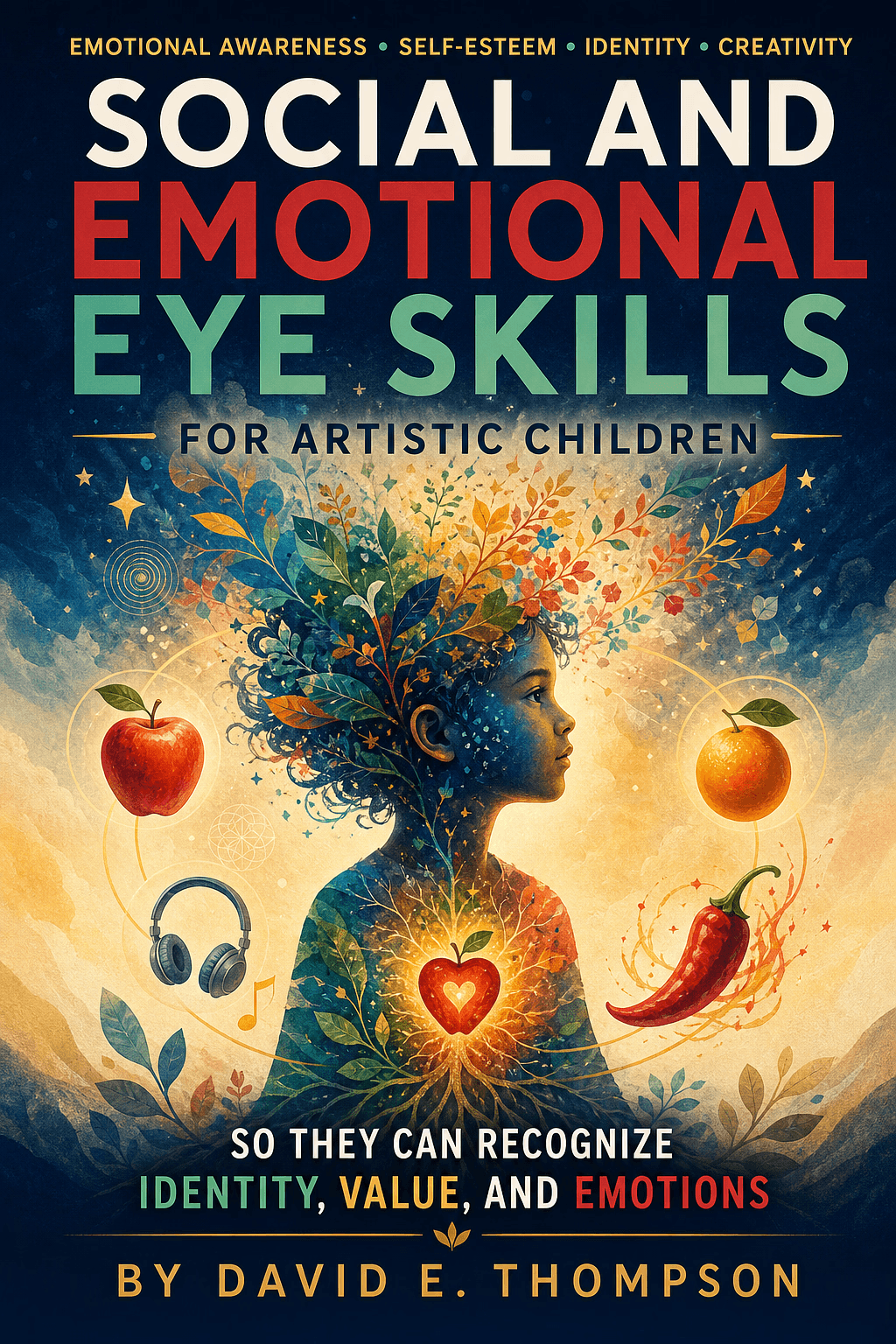
SOCIAL-EMOTIONAL LEARNING
Social and Emotional Eye Skills
Understand your value. Understand your emotions. Understand your behavior.
Open this book- Social and Emotional Eye SkillsDavid E. Thompson
The work begins
with being seen.
Journals, workbooks, and mentoring guides for children, teenagers, and the adults who support them. Written by a mental health professional with more than thirty years in the field.
An author’s world in six volumes
01-06
Most books about growing up describe the problem. These ones hand you something to do about it. A page to write on. A question to sit with. A skill to practice this week, with someone beside you.
Not self-help
from a distance.
The David E. Thompson Library
SOCIAL-EMOTIONAL LEARNING
Understand your value. Understand your emotions. Understand your behavior.
Open this book- Social and Emotional Eye Skills
Guided Journal
A guide to unlocking your future.
Open this book- The High School Journal
Coming-of-Age Journal
Can you feel the passion?
Open this book- The Young Man's Diary
Coming-of-Age Journal
Tune out the noise. Tune into your inner wisdom.
Open this book- The Young Girl's Diary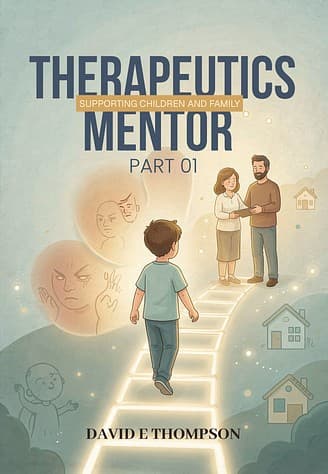
Therapeutic Mentoring Guide
Safety, trust, awareness, and a structured beginning.
Open this book- Therapeutics Mentor - Part 1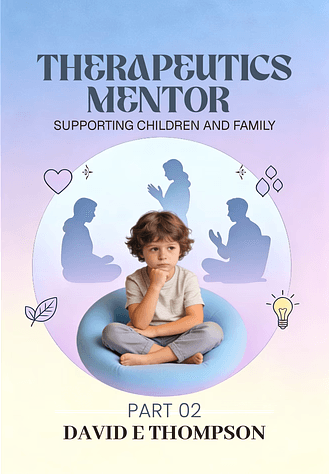
Therapeutic Mentoring Guide
From foundation into real-life application.
Open this book- Therapeutics Mentor - Part 2The Apple / Orange / Pepper method
A concrete visual language for children to recognize value, pause around choices, and regulate emotional reactions without shame.
Three images, three ideas. Young readers can point at one long before they can explain it, which is exactly the point. The shapes give a child and a trusted adult the same words to work with.
The one you are. Apple is about worth that does not move when the day goes badly.
The pause before the move. Orange is the space between what happened and what you decide to do about it.
The heat that arrives first. Pepper is not a bad feeling. It is a fast one, and it can be worked with.
No one grows alone
Thompson’s therapeutic mentoring work recognizes an ecosystem: trusted adults helping a young person name what is happening, practice a skill, and carry it into real life.
Child
Not a problem to be fixed. A person learning how to understand themselves.
Family
Partners, not outsiders. Parents and caregivers hold the hours the session never sees.
School
Where most of the pressure shows up first, and where most of the practice has to work.
Mentor
Builds safety before skill, keeps the pace honest, and documents what actually happened.
Therapist
Sets the clinical direction, clarifies language, and reviews what the mentor brings back.
Community
The real-world test. Public spaces, friendships, and the ordinary situations a child has to walk into.
When these adults use the same language, a child stops receiving five different messages about who they are.
The Author
With a background spanning sports administration, personal training, and social and criminal justice, David E. Thompson writes with structure, candor, and compassion.
His work helps children and young adults understand emotions, relationships, confidence, choices, and their own value.
“Growth is not about never struggling again. It is about learning tools, asking for help, recognizing progress, and continuing forward with courage.”
A page for you / 01
What would you try if you trusted yourself one step more?
Confidence
Rights · Programs · Readers · Speaking
No invented inbox. The author's preferred contact address can be connected when supplied.